Learn how a smart renovation strategy can build home equity, increase property value, control costs, and improve real estate investment returns.
What Is a Value-Add Strategy By Renovation?
In real estate investing, renovation is not simply about making a home look better. The main goal is to increase property value while keeping costs under control. This approach is often called a Value-Add Strategy. Instead of remodeling the entire property, investors focus on improvements that may create the most value.
For example, an investor may spend around $80,000 on improvements. After the work is completed, the property value could increase by $120,000. In this example, the added value is $40,000 more than the amount spent. However, actual results depend on the property, appraisal, and local market.
That is why a smart renovation strategy is not about improving everything. Investors need to know where their money can have the greatest impact. The goal is: Reasonable Cost → Right Improvements → More Property Value → More Equity.
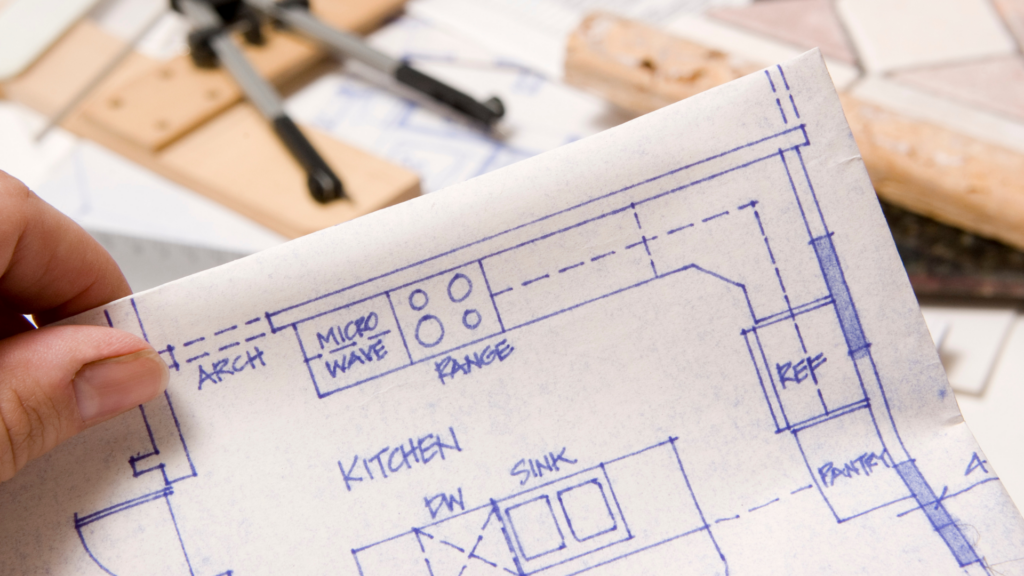
Home renovation strategy to build equity in the U.S. real estate investing
Home renovation strategy to build equity in the U.S. real estate investing
Not every renovation produces the same results. When renovating a home, investors should prioritize areas that buyers easily notice. Here are five projects worth considering.
Kitchen Renovation
The kitchen is often an important area when buyers view a home. An outdated kitchen can affect how they feel about the entire property. You do not necessarily need to rebuild the whole kitchen. In some cases, you only need to refresh the cabinets, countertops, paint, or kitchen lighting.
A kitchen renovation may cost around 10,000–20,000. Actual costs will vary depending on the property and location. The goal of renovating the kitchen is to make it feel clean, bright, and more modern.
Bathroom Remodel
An old or cracked bathroom, or one with plumbing problems, can make buyers hesitate. Many buyers do not want to purchase a home and immediately find a contractor for repairs. Therefore, a clean and well-maintained bathroom can make the property more appealing.
When planning a renovation, prioritize problems that directly affect the buyer’s experience. Not every bathroom needs a luxury remodel. Sometimes, a few simple improvements can make a big difference.
Refresh the Floors
Old carpet can hold odors, stains, or pet hair from the previous owner. This can create a poor first impression when buyers enter the home. Investors can clean or replace the flooring depending on its condition and their budget.
New flooring can also make the entire home look cleaner and more consistent. This is why flooring is often considered in a renovation plan before selling.
Repaint the Home
Painting can make a big difference without requiring a complicated renovation project. Fresh paint can make the interior or exterior look cleaner and newer. The right colors can also help buyers imagine themselves living in the home.
This is also an improvement that a listing agent may recommend a seller consider before listing. However, renovation costs should still be compared with the expected benefits.
Improve the Lighting
A dark home can feel smaller and less attractive. Many older homes do not have the same lighting systems found in modern designs. Investors can consider recessed lighting or a suitable chandelier.
Lighting usually costs less than many other remodeling projects. However, this change can make the home feel brighter, warmer, and more modern.
Do Open Floor Plans and ADUs Help Increase Home Equity?
Many older homes are divided into too many small spaces. The living room, dining room, and family room may be separated by several walls. This can make a small home feel even more crowded.
An open floor plan can make the space feel larger and more connected. It is an option worth considering during a renovation. However, you should not remove walls without proper evaluation. Some walls may be part of the home’s structure. Investors should check structural requirements and permits before making major changes.
In California, an ADU (Accessory Dwelling Unit) creates an additional separate living space on the property. This is another strategy investors may consider. In some cases, an ADU can increase the property’s functionality and value. It may also provide another option for personal use or rental income.
However, building an ADU is very different from a typical home renovation. Investors need to consider the location, building permits, and financing options. The property’s value after completion should also be evaluated based on the market.
3 Mistakes That Could Waste Your Renovation Money
A home renovation can help increase equity, but a poor plan can also cause the renovation budget to rise quickly. Here are three mistakes to watch for when renovating a home for investment.
Mistake 1: Not Having a Renovation Budget
The first mistake is starting the work without a specific plan. You renovate the kitchen and then decide to upgrade the bathroom. After that, you continue replacing the flooring, lighting, and other features. Costs can increase very quickly.
Before starting a renovation, determine your budget and priorities. Investors should also set aside money for unexpected expenses. Every project should answer one question: Does this expense support the investment goal?
Mistake 2: Not Checking Permits
Not every renovation requires a permit. However, some major changes may require approval from local authorities. In particular, check before making structural changes, modifying plumbing or electrical systems, or adding more living space.
Unpermitted improvements can create problems when selling, refinancing, or obtaining financing. A permit also does not mean an appraisal will automatically add the full renovation cost to the property’s value. Appraisers also consider comparable sales, construction quality, and market response.
Mistake 3: Over-Improving the Home for the Neighborhood
This is one of the biggest risks of completing a renovation for investment purposes. Suppose similar homes in the neighborhood sell for around $1 million. You spend heavily on improvements and expect the home to be worth $1.5 million. That does not mean the market will support a $1.5 million value.
Buyers will look at similar homes. Appraisers also commonly use comparable sales when determining a home’s value. A better-looking home may receive a higher market value. However, renovation costs and home value do not increase at a 1:1 ratio. Therefore, before renovating a home, research recent sales in the area.

Over-renovating a property compared to the neighborhood can lead to lower returns
What Should You Do to Optimize Equity Through Home Renovation?
Start with the numbers instead of the design. First, research recent home sales in the area. Then determine your renovation budget and the expected property value after the work is completed.
Next, choose renovation projects that can make a significant impact with a reasonable budget. The kitchen, bathroom, flooring, painting, and lighting are areas worth considering.
An open floor plan and ADU can create bigger changes. However, these two strategies may also require more detailed planning, permits, and capital.
Finally, track your total costs throughout the renovation process. Investors should avoid letting emotions turn an investment property into a luxury project that goes beyond what the market needs.
Conclusion
A home renovation can help increase appeal, property value, and equity. However, remodeling more does not automatically mean earning a higher profit. Investors should control their renovation budget, check permits, and research the market before getting started.
If you are planning to invest in U.S. real estate, inbox Danguard now for assistance with your specific situation.
Read more:
👉 Frequently Asked Questions For Selling, Buying, Investing And Mortgages: https://www.danguard.com/faq/
👉 Visit our Tiktok channel: Is a Real Estate Agent’s 3% Commission Worth It? Here’s What You Need to Know https://www.tiktok.com/@victoriamaidang/video/7398314510781664542
👉 Video: How Much Income Do You Need to Buy a Home in Santa Ana? https://www.youtube.com/watch?v=HsfaTJaKMwI
👉 Could HOA Fees Increase in California? https://www.facebook.com/Danguard.DG/posts/pfbid0WDoxiSVH8vY3t3pZtLWAYvdP1TPmDEmvkKLqqPccSueREw7KGYoV6wNHCkXv8Kmjl
============
▶ Our Services:
– Real Estate Service: https://www.danguard.com/real-estate-service/
– Mortgage Service: https://www.danguard.com/mortgage-services/
– Real Estate & Mortgage Courses: https://www.danguard.com/courses/
– Contract Mortgage Processing: https://www.danguard.com/contract-processing/
– Financial Advice: https://www.danguard.com/financial-advice/
============
▶ Subscribe to our channel to never miss useful information:
– Newsletter: https://www.danguard.com/newsletter-eng/
– YouTube: http://www.youtube.com/@DanguardCo/?sub_confirmation=1
– Facebook: http://www.facebook.com/Danguard.DG
– X: https://twitter.com/SDanguard
============
▶ Contact Us:
– Live Chat Today: https://m.me/Danguard.DG/
– Email: support@danguard.com
– Website: https://www.danguard.com/
– LinkedIn: http://www.linkedin.com/company/danguard/
============
▶ License: DRE# 02186207 – NMLS# 2349003